
Initial Migration
Theories of Migration

- Archaeological evidence suggests Naga tribes migrated as part of Mongoloid stock from South-East Asia around 12,000 years ago.
- Alternative theories suggest origins linked to: Headhunters of Malay, Northern China (Yunnan), Burma.
- Archaeological sites like Chungliyimti in Mokochung provide evidence of early settlements.
- Artifacts found include sea shell ornaments suggesting possible coastal origins
Ancient History
Administration
Early Settlement Period
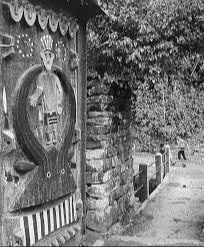
- Development of autonomous village systems.
- Establishment of hilltop settlements with defensive structures.
- Creation of kharu (wooden village gates) with sacred symbols.
- Development of clan-based social systems
- Evolution of distinct tribal languages and dialects
Medieval history
Ahom-Naga Relations (12th-13th Century)
Ahom Dynasty Period
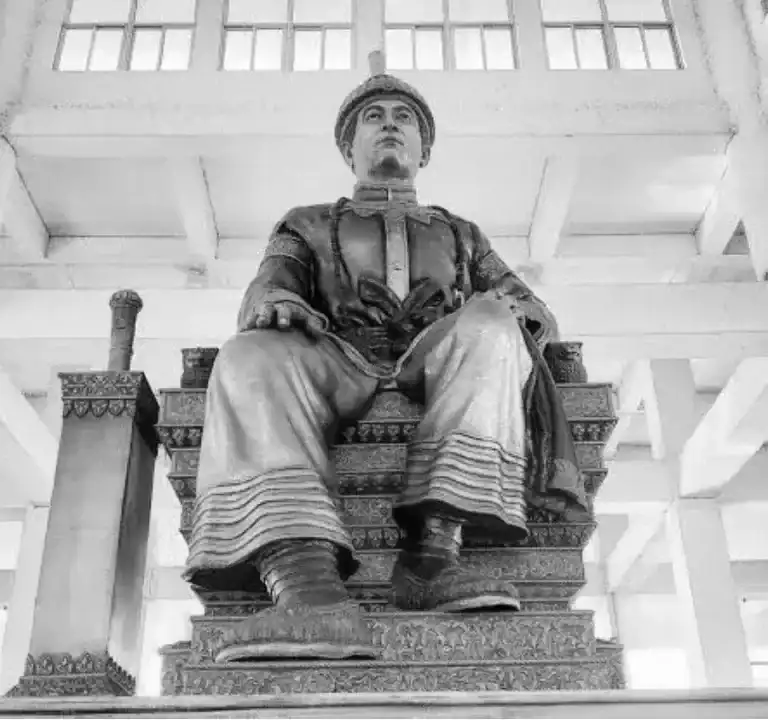
- Chief Sukapha was the first Ahom king. He made contact with Naga tribes when he came through the Naga Hills.
- This is recorded in the Ahom chronicles called 'Buranjis'.
- Development of the 'posa' system - a tribal appeasement policy by Ahoms
- Sukapha established his kingdom in the Brahmaputra Valley and thus came in direct contact with Naga territories
- The term 'Naga' was first used in Ahom records during this period.
- This period also saw the Development of trade relations and border agreements.
Medieval history
(1400-1500s)
Kingdom of Ava Period

- Kingdom of Ava under Minkhaung I extended to Naga territories.
- This period saw the development of trade relations with Burma. So cultural exchange and influence from Burmese kingdoms.
Modern history
(1832-1866)
Early British Contact

- First British contact happened through Captain Francis Jenkins and Lieutenant Robert Pemberton in 1832.
- Ten military expeditions by British troops to counter Naga raids from 1839-1850:
- Battle of Kikrüma (1851) - significant conflict between British and Naga forces
- 1866: Establishment of first British post at Samaguting
Modern history
British Era
British Administration
- 1878: Transfer of administrative headquarters to Kohima
- Battle of Khonoma (1879) - marked end of serious resistance to British rule. They were conflicts between the Angami Naga and the British between.
- From 1880-1922 the British consolidated the entire control of the Naga Hills.
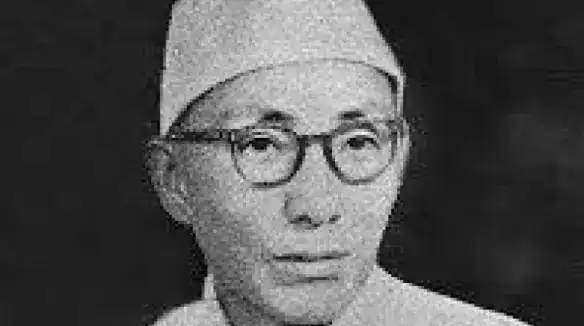
- Formation of Naga Club (1918) - first political organization. RS Ruichumhao was one of the main important personalities to give the idea of the Naga Club.
- 1929: Memorandum to Simon Commission requesting Naga autonomy
- 1935: Declaration of Naga Hills as an "Excluded Area". It was outside the control of the Assam Provincial Legislature. The Governor of Assam was appointed as the Care-Taker of the Excluded Area in 1937.
Modern history
British Era
World War II Period

- Battle of Kohima (1944) - crucial battle between Allied forces and Japanese army. The Allies forces won, marking the beginning of the Allied push into Burma.
- Battle of Imphal ( June 1944) - significant turning point in Burma Campaign. The Japanese forces were driven back to Burma.
- Construction of Kohima War Cemetery honoring fallen soldiers
Modern history
British Era
1945-1947

- C. R. Pawsey, Deputy Commissioner of Naga Hills District, establishes the Naga Hills District Tribal Council in 1945.
- In 1946 the Naga Hills District Tribal Council converted to Naga National Council (NNC).
- Naga-Akbar Hydari Agreement (1946) - Initial talks between NNC and Government representatives. The talks were about the administrative status of Naga Hills.
- Formation of NNC Youth Wing in 1947
- Signing of Nine-Point Agreement (Hydari Agreement) ( 1947) - It Recognized Nagas' right to develop themselves according to their wishes. It granted judicial, executive, and legislative powers to Naga Council.
- A. Z. Phizo ( NNC) announces Naga independence, one day before Indian independence.
- August 15, 1947: India gains independence and Naga Hills remains part of Assam.

Mount Khelia
- 2nd highest peak in Nagaland
- Elevation:3,462 m
- Located in the Patkai Range
- Blyth's Tragopan, the state bird of Nagaland can be found
Mount Saramati
- Elevation of 3,826 metres
- Popularly known as the Crown of Nagaland.
Mount Japfü
- Elevation of 3,048 m
- Mountain peak of the Barail Range
- Mount Japfü holds the Guinness World Record for the tallest Rhododendron tree in the world

Ntangki National Park
- 1993
- In 2022, Asian forest tortoises (Manouria emys) were reintroduced into Ntangki National Park in collaboration with the Turtle Survival Alliance and Wildlife Conservation Society India.
Singphan Wildlife Sanctuary
Pulie Badze Wildlife Sanctuary
Fakim Wildlife Sanctuary

Tizu River
- Originates near Longkhim in Tuensang district, Nagaland.
- It flows into the Chinwin River (also known as Ningthi River) in Myanmar
- Tributary - Zungki, Lanye, and Likimro rivers.
Milak River
- Originates in the Mokokchung district of Nagaland
- It is a tributary of the Dhansiri River, which in turn is a tributary of the Brahmaputra River.
- Its tributary is Tsurong
Zungki River
- The largest tributary of the Tizu River
DOYANG
- It is the longest river in the state
- Originating from the Japfü Hill
- Main tributaries : Chubi River
Lake Shilloi
- It is the largest natural lake in Nagaland.
Doyang Reservoir

Add Your Tooltip Text Here